Luxury Homes For Sale By Owner in Albania
Luxury Properties For Sale By Owner in Albania, with Albania property for sale, and Albania homes for sale by owner, apartments for sale by owner, condos for sale by owner, villas and gated community homes listed For Sale By Owner.
SEARCH RESULTS -
To Filter Results Use Our Advanced Search Here or Go Back
| No Properties Currently Found in Your Search Area - List Your Albania Property Here » |
In the meantime you may be interested in this nearby location:
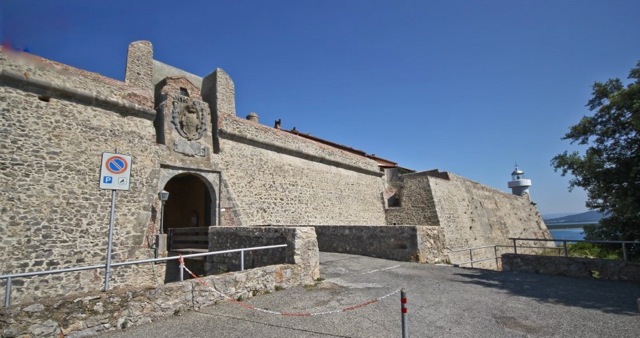
Location : Monte Argentario, Tuscany
Property Type: Condo
Property Terms: For Sale
Local Currency Price:
Price in USD: $450,000
|



Selling or Buying Property in Albania
Search for Albania property listings, and browse homes for sale or rent on International Property Directory, the world's leading property listings directory. View Residential and Commercial Property For sale in Albania for sale by Owners, For Sale By Owners For Sale By Owner, and property listings by Albania Property Real Estate Agents.
Search for residential listings for attached or detached homes and multi-unit dwellings, Apartments , flats, terraced houses, townhouses, condominiums (condos) and duplex's.
Find commercial property listings in Albania such as office buildings, retail buildings, malls, hotels, restaurants, cafes, sports facilities, apartment complexes, high-rise apartment buildings, undeveloped land in Albania, and ready for development land.
Search for luxury property listings in Albania, for sale by Owner s looking to sell direct, and agents appointed to represent the sellers of top luxury property in Albania.
Rental Property in Albania
Look for, or list, homes for rent in Albania listed as for rent by the Owner (FRBO), or listed by top Albania real estate agents who offer property for rent listings.
Tourism is a growing part of the country's industry as many of its coastal areas are unspoiled and boast enticing beaches. The capital city of Tirana, a sprawling metropolis in the valley of Dajti Mountain, is ever growing, along with the cities of Purrës, Elbasan, Shkodër, Gjirokasfër, Vlorë, Korcë and Kukës. Many buyers and investors are looking for Albania property for sale using a property search.
Albania is a Balkan country in South-Eastern Europe. Montenegro borders Albania in the North, the Serbian province of Kosovo is on the North-East, the Republic of Macedonia is to the East, and Greece is to the South.
The country has an expansive coastline, with the Adriatic Sea to the West and the Ionian Sea to the East. The majority of the country, however, is mountainous and mostly inaccessible. The highest mountain is the Korab which reaches just over nine thousand feet in altitude.
The climate is Continental, especially at high altitudes where there are cold winters and hot summers.
Tourism is a growing part of the country's industry as many of its coastal areas are unspoiled and boast enticing beaches. The capital city of Tirana, a sprawling metropolis in the valley of Dajti Mountain, is ever growing, along with the cities of Purrës, Elbasan, Shkodër, Gjirokasfër, Vlorë, Korcë and Kukës. Many buyers and investors are looking for Albania property for sale using a property search.
Albania is a Balkan country in South-Eastern Europe. Montenegro borders Albania in the North, the Serbian province of Kosovo is on the North-East, the Republic of Macedonia is to the East, and Greece is to the South.
The country has an expansive coastline, with the Adriatic Sea to the West and the Ionian Sea to the East. The majority of the country, however, is mountainous and mostly inaccessible. The highest mountain is the Korab which reaches just over nine thousand feet in altitude.
The climate is Continental, especially at high altitudes where there are cold winters and hot summers.
| Filter Albania Properties By Type : |
| Filter Properties By Albania Location : |
Albania Property For Sale Property For Sale | Luxury Homes For Sale By Owner in Albania | Albania Property For Rent | Albania Property For sale Listed By Owner | Albania Property For sale by Agent | Residential Albania Property For Sale By Owner | Commercial Albania Property For Sale By Owner | Retail Albania Property
Europe >> Albania Property For Sale