
Portugal Property For Sale By Owner
Luxury Properties For Sale By Owner in Portugal, with Real Estate in Portugal listed For Sale By Owners, with Apartments For Sale By Owner, Homes For Sale By Owner listed in International Property Directory.
|
||||||||||||||||||||||||



SEARCH RESULTS -
To Filter Results Use Our Advanced Search Here or Go Back
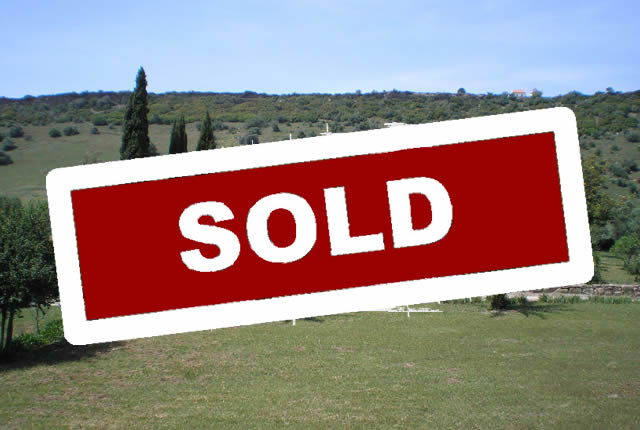
Location : Tavira,
Property Type: Apartment
Property Terms: Rent
Local Currency Price:
Price in USD: Contact For Price
|

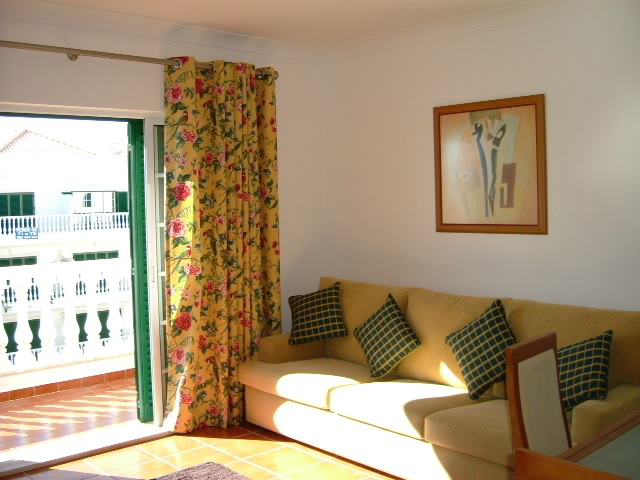

Location : PALMELA,
Property Type: House
Property Terms: For Sale
Local Currency Price: Euro 450.000
Price in USD: $542,255
|
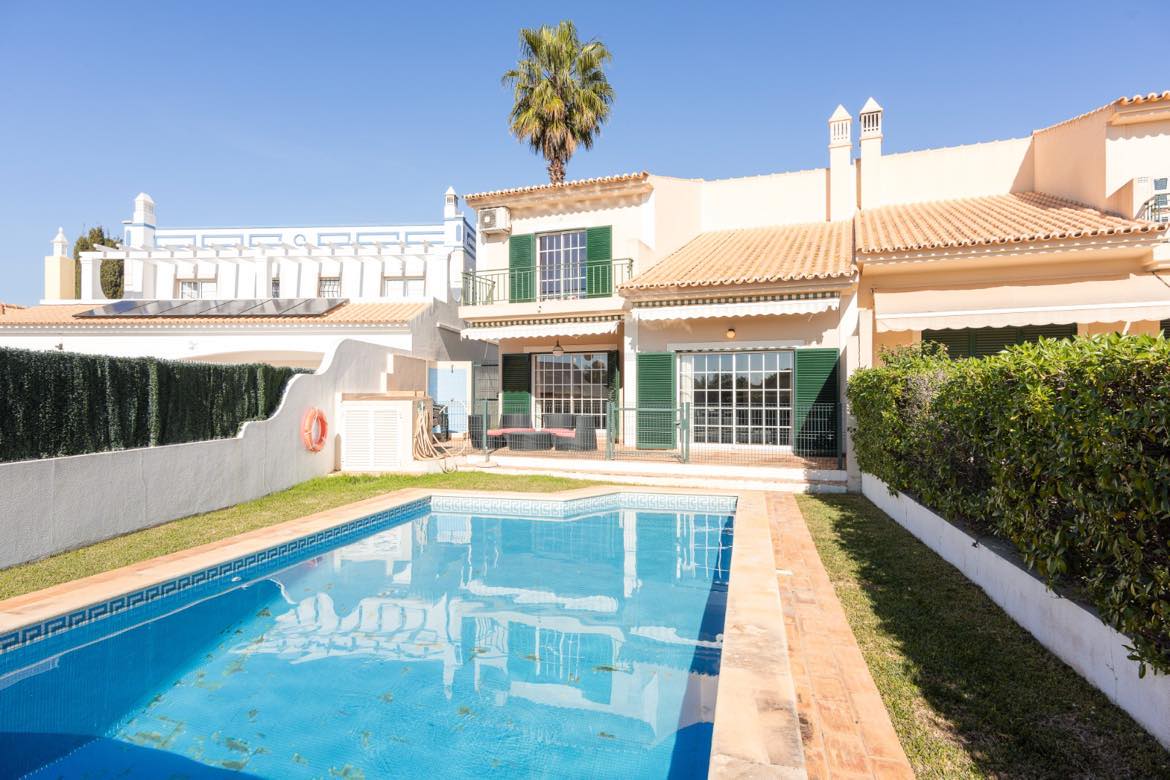
Location : Vilamoura, Algarve
Property Type: Villa
Property Terms: For Sale
Local Currency Price: 980.000,00EUROS
Price in USD: $1,100,000
|
Portugal is located in Southwestern Europe, borders Spain and is a very populat tourist desination worldwide. Portugal is affectively the part that meets the Atlantic Ocean on the Iberian Peninsula, is part of the EU and has a very diverse scenary from the mountains to the endless beaches and rolling plains.
Have you started looking for properties in the Portugal already, or did you want to look at general international property listings for sale by Owner - then extend your search by looking in the Portugal Real Estate For sale section of this leading property directory.
Portugal is one of the warmest European countries, the annual temperature averages in mainland Portugal are 13 °C (55 °F) in the north and 18 °C (64 °F) in the south.
Looking to purchase in Portugal real estate - connect with a property consultant who specializes in South European properties, who then will guide buyers through the buying or renting out process if being purchased as an investment.
| Searched for Portugal Terms : |
Portugal Property For Sale By Owner, view listings of Portugal Homes, Apartments, Condos and Villas For Sale By Owner, Houses for sale By Owner and Apartments For Sale By Owner on IPD - International Property Directory.
Map of Portugal, enlarge map to explore Portugal
| Cities and towns in Portugal : |